


October 3, 2026
Chetoui vs. Chemleli vs. Sayali Olive Oil: Taste, Food Pairings and Which to Choose
Not all extra virgin olive oils are meant to taste the same.
Some arrive boldly—a rush of fresh-cut grass, green herbs and artichoke followed by a peppery warmth at the back of the throat. Others unfold more gently, with almond, fruit and floral notes that seem to melt into the food rather than command it.
That diversity is part of what makes exceptional olive oil so captivating.
In Tunisia, where olive trees have shaped the landscape and cuisine for thousands of years, individual olive varieties can produce remarkably different oils. Among them are Chetoui, Chemleli and the much rarer Sayali—three cultivars that offer distinct expressions of Tunisian terroir. To explore the broader story behind these varieties, see our Guide to Tunisian Olive Oil.
At Golden Olive Oil, we select single-varietal extra virgin olive oils that allow you to experience these differences more clearly.
So which one belongs on your table?
The answer depends less on which olive oil is “best” and more on how you like your olive oil to taste—and what you love to eat.
Chetoui, Chemleli and Sayali at a Glance
| Olive Variety | Flavor Personality | Intensity | Notable Flavors | Especially Good With |
|---|---|---|---|---|
| Chetoui | Bold, green and assertive | Robust | Green grass, artichoke, almond, green fruit, pepper | Lamb, beef, roasted vegetables, bread, hearty salads |
| Chemleli | Smooth, balanced and versatile | Mild to medium | Almond, fresh herbs, fruit, citrus | Fish, vegetables, salads, grains, everyday finishing |
| Sayali | Fruity, aromatic and distinctive | Medium | Red fruit, mint, basil, flowers and vanilla in our current expression | Seafood, creamy cheeses, delicate salads, fresh vegetables |
Think of them as three personalities from the same Mediterranean landscape.
Chetoui is the dramatic one.
Chemleli is the effortless companion.
Sayali is the aromatic surprise.
Let’s taste them more closely.
What Does Chetoui Olive Oil Taste Like?
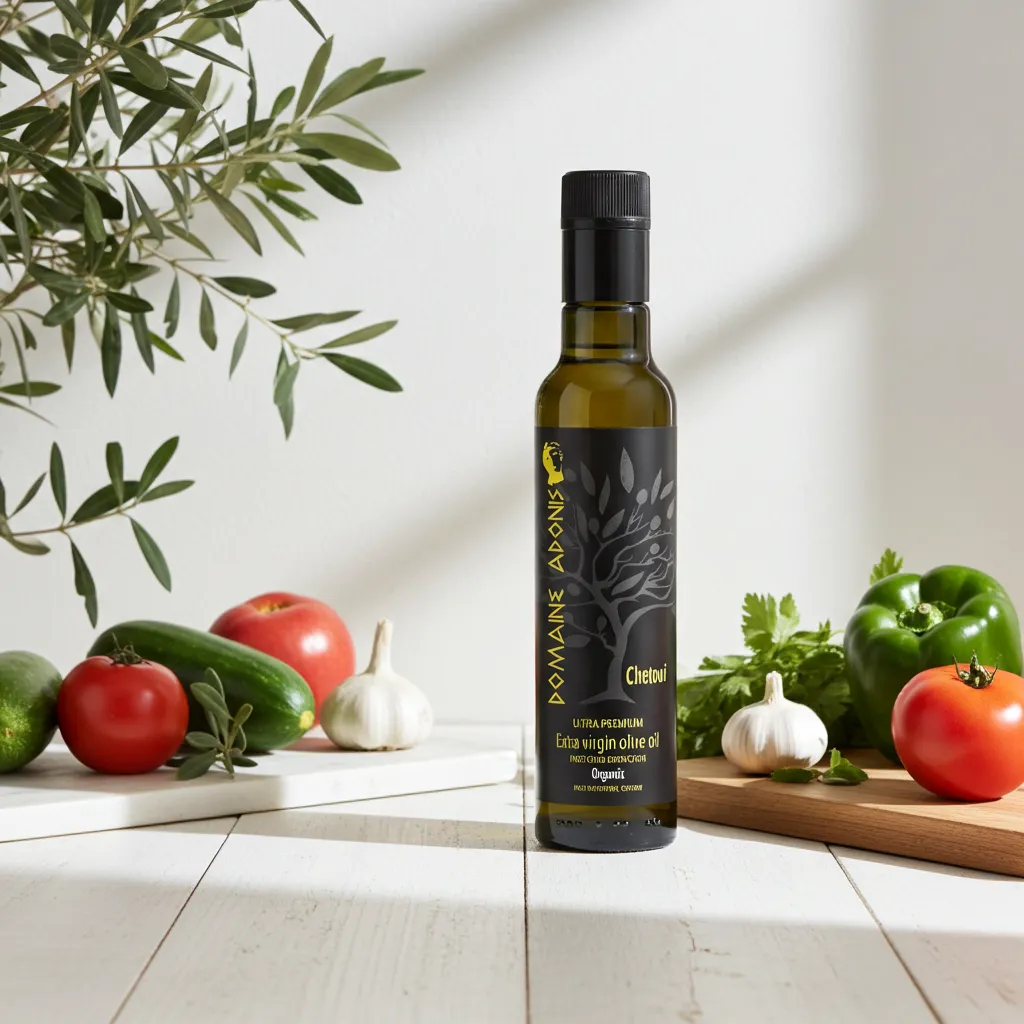
If your idea of an exceptional extra virgin olive oil includes bitterness, freshness and a distinctive peppery finish, Chetoui is likely to speak your language.
Chetoui is one of Tunisia’s signature olive varieties and is especially associated with the country’s northern olive-growing regions. The International Olive Council’s overview of Tunisian olive varieties identifies Chetoui as one of the country’s two principal cultivars and highlights its northern growing regions.
Pour it into a small glass and its character begins before the first taste.
There are green aromas reminiscent of freshly cut grass and artichoke, joined by fruit and almond notes. On the palate, the oil has structure and intensity, finishing with the peppery sensation that lovers of robust extra virgin olive oil often seek.
That bitterness is not something to hide.
In virgin olive oil, bitterness and pungency are recognized positive sensory attributes rather than defects. Certain naturally occurring phenolic compounds contribute to those sensations, helping create the vivid, throat-catching character associated with many high-quality oils.
If you are curious about how professional tasters interpret those sensations, our guide to how to taste olive oil explains what to look for in the glass.
What foods pair best with Chetoui?
Chetoui is wonderful when the food can stand beside it rather than disappear beneath it.
- Grilled lamb or steak
- Roasted eggplant, peppers or squash
- Lentils and hearty bean dishes
- Tomato salads
- Bitter greens
- Grilled bread
- Hummus
- Sourdough with sea salt
It is also an exceptional finishing olive oil. A drizzle over a finished dish allows its aroma and peppery personality to remain vivid rather than disappearing into the cooking process.
For someone accustomed to mild supermarket olive oil, Chetoui may feel surprisingly intense at first.
For someone who loves distinctive extra virgin olive oil, that intensity is precisely the attraction.
Choose Chetoui if: you want your olive oil to be unmistakably present on the plate.
Explore Golden Olive Oil’s Chetoui extra virgin olive oil
What Does Chemleli Olive Oil Taste Like?

Chemleli—also sometimes written Chemleli—offers a different interpretation of Tunisian olive oil.
Where Chetoui enters the room confidently, Chemleli tends to be softer and more restrained.
Compared with Chetoui, Chemleli generally produces a less bitter and less pungent style of olive oil, although its final character can vary considerably depending on where it is grown, when the olives are harvested, and how the oil is milled.
The Chemleli oils selected by Golden Olive Oil can show notes of green almond, fresh herbs and citrus, often finishing with a restrained peppery note.
That balance makes Chemleli wonderfully adaptable at the table.
Chemleli is Tunisia’s most extensively cultivated olive variety and is particularly associated with the country’s warmer central, coastal and southern olive-growing regions. You can read more about the wider role of olive growing in the country in our article on Tunisian extra virgin olive oil and organic farming.
Yet “milder” should never be confused with “simple.”
A fine Chemleli can still have remarkable layers. The pleasure comes from noticing how its almond-like softness, green aromas and delicate fruit move quietly through a dish rather than dominating it.
What foods pair best with Chemleli?
Its versatility makes Chemleli an excellent choice when you want one premium olive oil that can move easily across the kitchen.
- Grilled or roasted fish
- Couscous and grain salads
- Tomatoes and cucumbers
- Roasted vegetables
- Chickpeas and white beans
- Fresh cheeses
- Vinaigrettes
- Soups
- Pasta
- Fresh bread
It is also an approachable introduction to premium olive oil for people who are intrigued by fresh, characterful oils but do not necessarily want the intensity of a robust Chetoui.
Choose Chemleli if: you want balance, versatility and a smooth but expressive everyday extra virgin olive oil.
Explore Golden Olive Oil’s Chemleli extra virgin olive oil
What Does Sayali Olive Oil Taste Like?
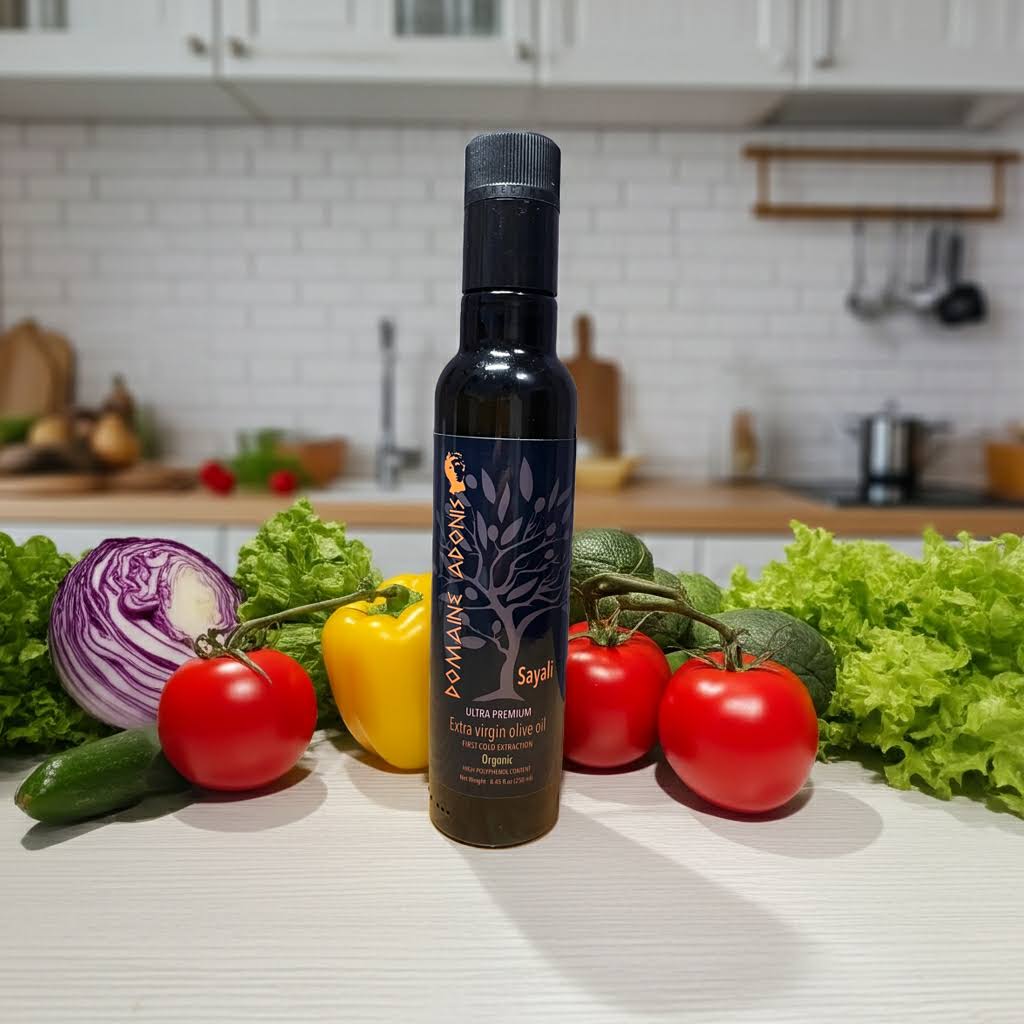
Then there is Sayali.
Less familiar outside Tunisia, Sayali is a recognized local cultivar and offers a particularly intriguing path for olive oil lovers who want to explore beyond better-known varieties.
The Sayali olive oils selected by Golden Olive Oil can be especially aromatic, with notes that may include red fruit, mint, basil, flowers and vanilla.
This is the bottle for the curious palate.
Where Chetoui celebrates the greener and more forceful side of olive oil, Sayali can reveal how fragrant and almost perfume-like a beautifully made EVOO can become.
Its complexity is particularly compelling when paired with foods whose flavors are fresh and delicate.
What foods pair best with Sayali?
- Fresh seafood
- Grilled or poached fish
- Burrata or fresh mozzarella
- Goat cheese
- Delicate leafy salads
- Tomatoes
- Fresh herbs
- Grilled zucchini
- Citrus-forward dishes
- Fresh bread served simply
It is also a beautiful olive oil to serve when you want guests to taste the oil itself, rather than simply use it as an ingredient.
Pour a little into a shallow dish, add warm bread, and let the oil do the talking.
Choose Sayali if: you enjoy aromatic, fruity oils and want to discover an uncommon Tunisian cultivar with a distinctive personality.
For more context on Tunisia’s lesser-known cultivars and olive-growing heritage, explore our history of olive oil in Tunisia.
Chetoui vs. Chemleli: What’s the Difference?
For many shoppers, this is the most useful comparison.
Both are deeply connected to Tunisia, but they tend to occupy different points on the sensory spectrum.
Chetoui is generally the more bitter, pungent and robust expression.
Chemleli is generally softer, smoother and less forceful.
Neither profile represents higher or lower quality.
They simply offer different experiences.
If you like strong espresso, dark chocolate, radicchio, arugula and other foods with pleasant bitterness, there is a good chance the assertive character of Chetoui will appeal to you.
If you prefer rounder flavors and want an oil that can move easily from fish to vegetables to salads, Chemleli may become the bottle you reach for most often.
Growing conditions, harvest timing and milling still matter, so no cultivar should be treated as completely uniform from one producer or harvest to another. Our Practical Guide to High-Polyphenol Olive Oils explores how cultivar, harvest and production all influence the final oil.
And Where Does Sayali Fit?
Sayali sits somewhat apart from the comparison.
It does not simply occupy a point between mild Chemleli and robust Chetoui.
Its appeal is its aromatic individuality.
In the Sayali oils we select, red fruit, herbs, florals and softer aromatic notes can give this cultivar an identity of its own. It is a compelling choice for people who have already discovered good extra virgin olive oil and want to experience how dramatically one single-varietal oil can differ from another.
Chetoui: structure and intensity.
Chemleli: balance and versatility.
Sayali: fragrance and discovery.
Why Are Some Olive Oils Bitter or Peppery?

One of the most common surprises when someone first tastes excellent extra virgin olive oil is the sensation of bitterness on the tongue or pepperiness in the throat.
Those sensations are not necessarily flaws.
Far from it.
In virgin olive oil, bitterness and pungency are recognized positive sensory attributes. The International Olive Council’s official sensory method specifically identifies fruitiness, bitterness and pungency as positive attributes of virgin olive oil.
Certain naturally occurring phenolic compounds contribute to those characteristics, although different compounds can influence bitterness and throat pungency in different ways. A peer-reviewed study on phenolic metabolism, bitterness and pungency explores that relationship in greater scientific detail.
Chetoui, in particular, is often prized for its naturally robust character, including the bitterness and peppery finish associated with these phenolic compounds.
Chemleli and Sayali can also display bitterness and pungency, but their overall sensory profiles may feel softer, fruitier or more aromatic depending on the cultivar, growing conditions and production choices.
Polyphenol levels are not determined by olive variety alone.
They can vary significantly from one harvest to another depending on factors such as climate, water availability, olive maturity at harvest, extraction conditions and storage.
That is why polyphenols are best understood as one part of a much bigger quality story, rather than the only measure of a great olive oil.
For choosing between Chetoui, Chemleli and Sayali, the number on a laboratory report does not need to make the decision for you.
Your palate can.
If you want to go deeper into what polyphenols are, why measurements vary, how they relate to bitterness and pungency, and what to look for in a high-polyphenol olive oil, explore our guide to high-polyphenol olive oil.
Which Tunisian Olive Oil Should You Choose?
Start with the flavors you already enjoy.
Choose Chetoui if you love bold flavors
Reach for Chetoui extra virgin olive oil if you want an oil with presence: grassy, green, bitter and peppery, with enough personality to transform grilled meats, roasted vegetables or simply a piece of bread.
Best for: the olive oil enthusiast who wants intensity.
Choose Chemleli if you want versatility
Reach for Chemleli extra virgin olive oil if you want something refined and balanced that can become a daily companion in your kitchen.
Its combination of almond, herbs, fruit and restrained pepperiness allows it to complement a wide range of foods without overwhelming them.
Best for: the cook who wants one beautiful bottle for many occasions.
Choose Sayali if you want something distinctive
Reach for Sayali extra virgin olive oil if you are fascinated by aroma and complexity.
Its fruity, herbal and floral character can make it a particularly memorable introduction to the diversity of Tunisia’s lesser-known olive cultivars.
Best for: the adventurous palate and the olive oil lover looking for something uncommon.
Or Taste All Three Side by Side
There is another answer to the question of which olive oil to choose:
Don’t choose just one.
Few things demonstrate the beauty of olive oil more clearly than tasting several single-varietal oils beside one another. If you want to recreate a more structured tasting at home, follow our olive oil tasting guide.
Pour a small amount of Chetoui, Chemleli and Sayali into three separate glasses or dishes. Begin with the gentler oil and move toward the more intense. Smell each one before tasting it. Notice the fruit. The herbs. The bitterness. The warmth that develops in your throat.
Then introduce food.
A piece of bread. A slice of tomato. A little cheese.
Suddenly, olive oil stops being merely something you cook with.
It becomes something you taste.
Each bottle tells a slightly different story of the olive—from the cultivar itself to the Tunisian soil and Mediterranean climate in which it grew, and finally to the care taken between harvest and bottle.
That is the pleasure of single-varietal extra virgin olive oil.
Not uniformity, but character.
Three Tunisian Olives. Three Ways to Experience the Grove.
For generations, olive trees have been inseparable from Tunisia’s landscape, food and culture. Our history of Tunisian olive oil traces that relationship through centuries of Mediterranean agriculture and tradition.
Chetoui carries the force and freshness of the north. Chemleli reflects the breadth of Tunisia’s warmer olive-growing regions. And Sayali offers a glimpse into the country’s lesser-known local olive heritage.
At Golden Olive Oil, we believe choosing olive oil should be more like choosing wine than reaching automatically for a generic cooking oil.
Consider the variety.
Consider the food.
Consider the harvest and the hands behind the bottle.
And, most importantly, consider what gives you pleasure when you taste it.
Choose Chetoui when you crave something bold and peppery.
Choose Chemleli when you want elegance and versatility.
Choose Sayali when you want fruit, fragrance and discovery.
Then pour generously.
The rest of the story happens at the table.
